
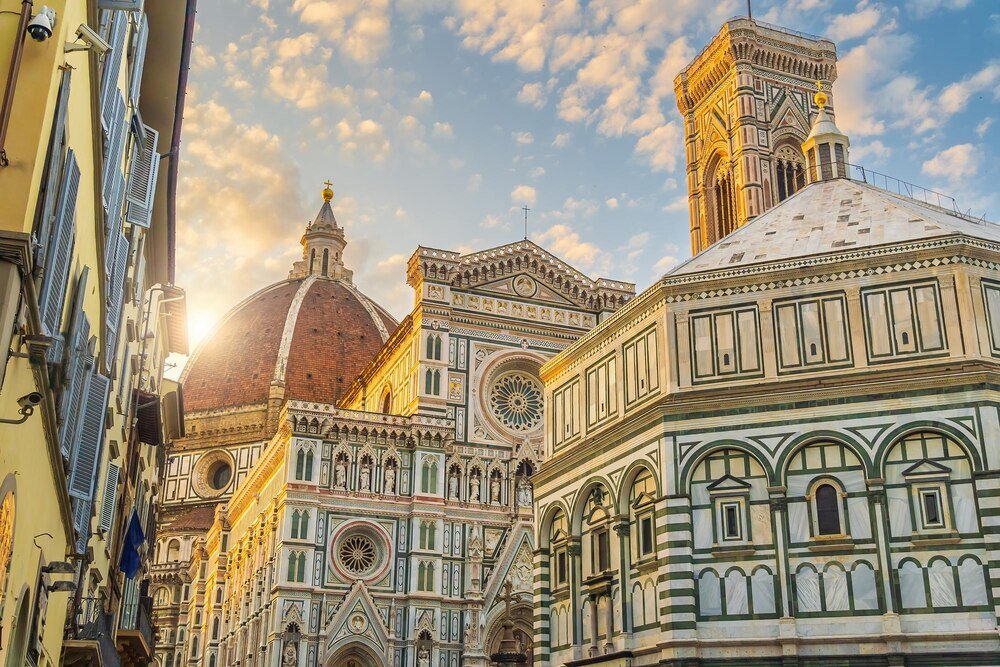
Planning a trip to Florence can feel overwhelming: too many masterpieces, not enough days. The good news is that with a bit of structure, the city becomes surprisingly simple to enjoy. Focus on a few essential sights, build in time for wandering and food, and Florence turns from a checklist into a place that actually sticks in the memory.
Start with the essentials (so the trip doesn’t turn into a race)
Most people land in Florence and immediately run to the Duomo, the Uffizi and Michelangelo’s David, then burn out by day two. A better rhythm is to anchor each day around one “big” sight and keep the rest flexible.
The historic center is compact. Walking from Santa Maria Novella station to Piazza della Signoria takes about 10–15 minutes. That makes it easy to group the main sights:
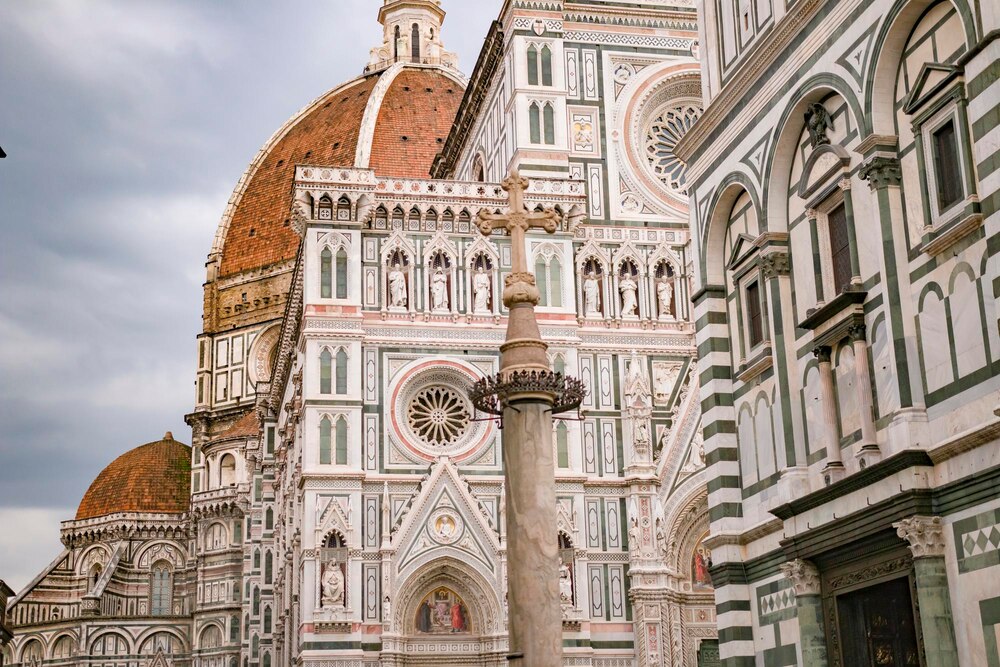
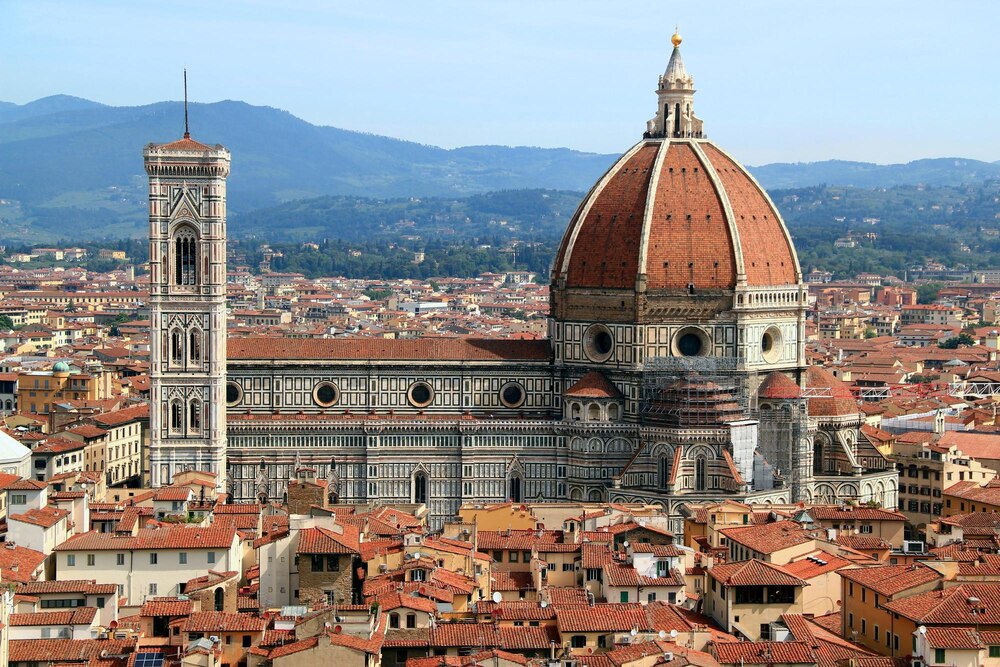
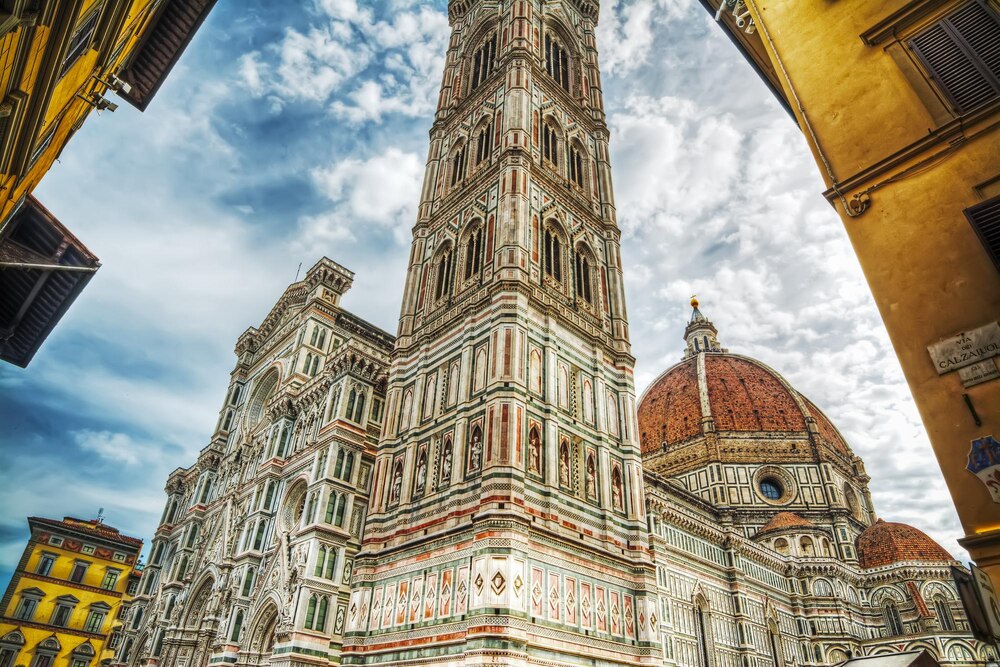
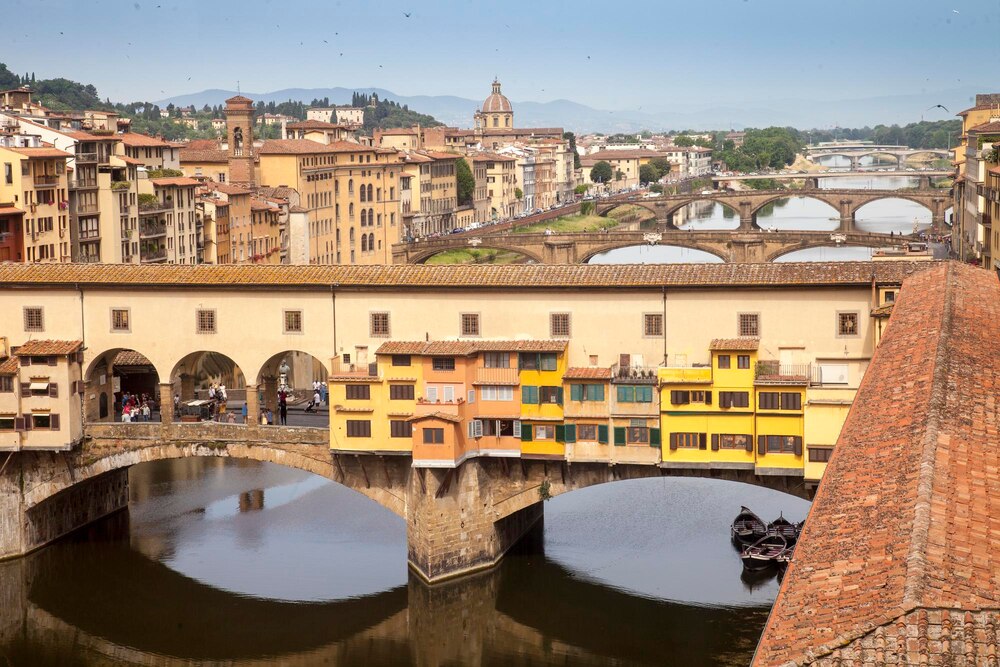
- Day 1: Duomo complex, Baptistery, climb the dome or Giotto’s bell tower, stroll around Piazza della Repubblica and the Ponte Vecchio.
- Day 2: Uffizi Gallery in the morning, then Oltrarno (the “other side” of the Arno) in the afternoon.
- Day 3: Accademia Gallery for the David, then Boboli Gardens or a short day trip.
Tickets for the Duomo dome climb, Uffizi and Accademia sell out fast in busy months (April–October). Pre-booking specific time slots removes a lot of stress and keeps the day from being dictated by random queues.
Florence’s historic center is a UNESCO World Heritage Site, and the “big three” – Duomo, Uffizi, David – are all within a 20-minute walk of each other.
Seeing the art without getting exhausted
Florence is dense with art. Skipping the masterpieces would be a waste, but trying to see everything usually ends in museum fatigue. Picking a few focused highlights works better than sprinting through every room.
Uffizi Gallery: pick your highlights and ignore the rest
The Uffizi is the city’s heavyweight museum and can easily swallow four or five hours. The smarter approach is to decide in advance what matters most. For many visitors, that’s the big names: Botticelli, Leonardo, Michelangelo, Caravaggio.
A simple route is to follow the chronological layout upstairs: start in the early rooms, then aim specifically for Botticelli’s “Birth of Venus” and “Primavera”, the Leonardo room, and the later Caravaggio works. Everything else becomes a bonus instead of an obligation.
Morning slots (especially the first entry) are usually quieter, and the light over the Arno from the top-floor corridors is great for photos. The Uffizi café terrace also has one of the best views over Piazza della Signoria, even if the coffee is a bit overpriced.
Expect to spend 2–3 hours at a comfortable pace. Once attention starts drifting, stopping is better than forcing another lap. Florence has more art around the next corner anyway.
Accademia Gallery: go for the David, stay for the details
Most people go to the Accademia for one reason: Michelangelo’s David. It lives up to the hype. The statue sits at the end of a long hall, and the walk towards it – passing Michelangelo’s unfinished “Prisoners” – is just as interesting as the final reveal.
The rest of the museum is compact and less stressful than the Uffizi. There’s a solid collection of medieval and Renaissance paintings and an unexpectedly charming room of plaster models and sculptures. Since the visit is shorter, it’s easy to fit into a half-day without wrecking the schedule.
Booking a timed ticket avoids the long line that forms outside, especially in high season and on weekends. The earliest and latest slots tend to be the quietest.
Plan around 60–90 minutes here. That leaves enough time to actually look, not just snap photos and rush out. From the Accademia, it’s only a short walk to the Duomo area or to quieter residential streets if a break is needed.
Walking Florence: neighborhoods worth lingering in
Beyond the museums, Florence works best on foot. Distances are short, and each corner of the center has a different feel. The trick is to step a few streets away from the main arteries once the big sights are checked off.
Piazza del Duomo & Piazza della Signoria are the obvious starting points. Even if they’re crowded, both are worth passing through several times at different hours of the day. The Duomo’s façade looks completely different in morning light versus at sunset.
For a more local vibe, head into the Oltrarno, across the Ponte Vecchio or Ponte Santa Trinita. This side of the river has artisan workshops, small piazzas, and a less touristy evening scene. Piazza Santo Spirito in particular is lively at night, with casual bars and trattorie around the square.
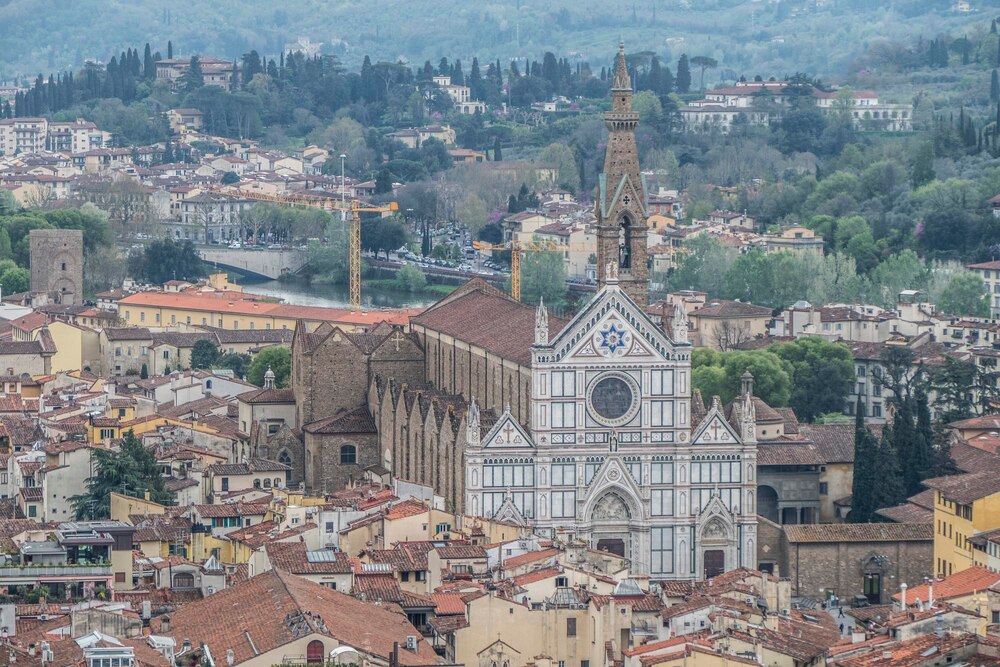
Another good walking area is around Santa Croce. The basilica holds tombs and monuments to Michelangelo, Galileo and Machiavelli, but the surrounding streets are the reason to wander here: leather shops, wine bars, and a mix of students and locals going about their day.
Food and drink: what’s actually worth prioritizing
Florence’s food scene is solid if expectations match what the city actually does well: simple Tuscan dishes, grilled meats, soups, and strong coffee culture. Chasing “the best restaurant” rarely works; focusing on timing and type of place usually does.
Morning coffee, pastries and quick lunches
Local breakfast is light: a cappuccino or espresso at the counter and a pastry (often a cream- or chocolate-filled cornetto). Sitting down usually costs more than standing at the bar, which is totally normal in Italian cafés.
Mid-morning, markets are worth a look. The Mercato Centrale combines a traditional food market downstairs with a food hall upstairs. While it’s not exactly a local secret anymore, it’s a convenient way to sample different things in one place: fresh pasta, steaks, lampredotto (tripe sandwich), bakery stalls.
For a quick lunch that doesn’t destroy the budget, panini spots are everywhere in the center. The famous places draw long lines, but plenty of lesser-known sandwich shops offer good quality without the crowd. Typical fillings include prosciutto, pecorino, grilled vegetables and Tuscan salami.
Chances are, the best coffee will be in smaller bars one or two streets off the main squares. If the place is full of people standing at the counter and chatting, that’s usually a good sign.
Trattorie, bistecca and aperitivo
Tuscany is meat territory, and Florence takes particular pride in bistecca alla fiorentina – a huge T-bone steak, grilled rare over charcoal. It’s usually priced by weight and meant to be shared. Ordering one per person is overkill both for the stomach and the wallet.
Classic trattorie serve simple menus: ribollita (bread and vegetable soup), pappardelle with wild boar ragu, grilled meats, cantucci (almond biscuits) with vin santo. The style is straightforward rather than fancy, and that’s the point.
Evenings often start with aperitivo: a drink (like a spritz or Negroni) plus snacks, sometimes buffet-style, sometimes small plates. In Florence, areas around Santa Croce, San Niccolò and Santo Spirito have plenty of aperitivo bars where buying one drink gives access to a spread of food – a good light dinner if lunch was heavy.
Reservations for dinner are wise in popular spots, especially on weekends and in peak season. Walking in works more often for lunch than for dinner.
Views, gardens and places to slow down
Florence can feel intense at street level. Climbing above it or stepping into a garden changes the pace completely. These are the spots that tend to stick in memory more than the crowded streets.
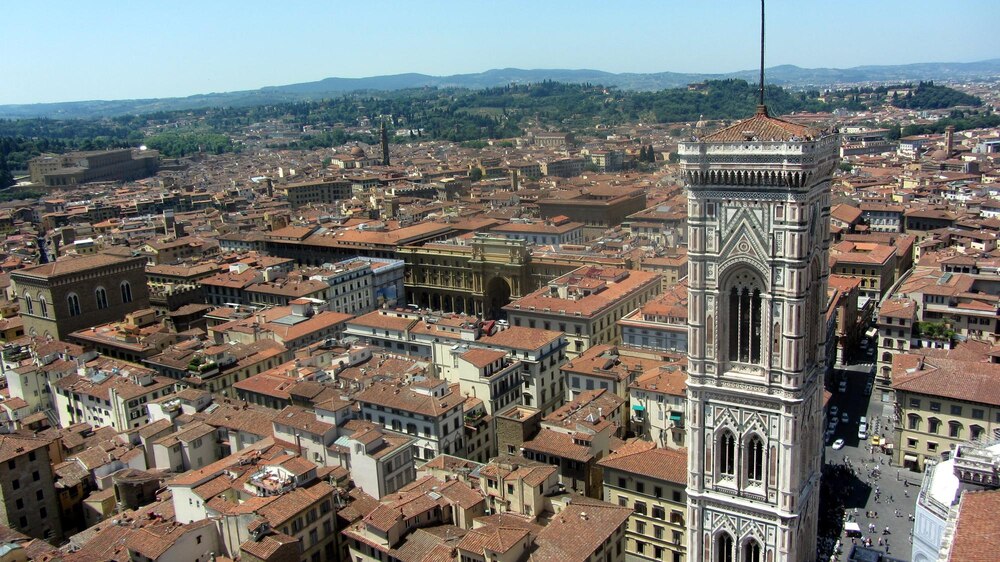
Piazzale Michelangelo is the classic viewpoint: a wide terrace above the city with a full panorama of the Duomo, Palazzo Vecchio and the Arno. The walk up takes roughly 20–30 minutes from the center, partly uphill but manageable. Sunset is popular, but early morning is almost empty and just as good.
Nearby, the Rose Garden below Piazzale Michelangelo is a quieter alternative with views, shaded benches and fewer crowds. It’s a good place to decompress if the main square at the top feels too busy.
On the opposite side of the river, behind the Pitti Palace, the Boboli Gardens offer tree-lined avenues, fountains and wide lawns. The terrain is hilly, which keeps some visitors away, but the tradeoff is breathing room and a sense of scale you don’t get in the narrow streets.
Easy day trips from Florence
Once the core sights are done, a day trip rounds things out. Florence’s train connections make it simple to reach other Tuscan towns without a car.
- Pisa: Around 1 hour by regional train. The Leaning Tower area is very touristy but still impressive, and the rest of the city is calmer than people expect.
- Lucca: About 1.5 hours. A walled town where it’s possible to walk or bike the ramparts, with a relaxed, less crowded feel.
- Siena: Reachable by bus (often quicker and more direct than the train). Famous for the Piazza del Campo and its brick-colored medieval center.
For wine country, organized tours into Chianti can work well if driving is not an option. These usually bundle a couple of small towns with a vineyard visit for tastings. Self-driving gives more flexibility, but parking inside Florence is a headache, so picking up a rental car outside the center is easier.
Practical tips that make Florence smoother
A few small decisions have an outsized impact on how Florence feels day to day.
- Timing: Aim for early museum slots and use the middle of the day for wandering, eating and breaks. Crowds ease slightly in the late afternoon and evening.
- Footwear: Streets are cobbled and uneven in parts; comfortable shoes are non-negotiable if walking 10,000+ steps daily.
- Cash vs card: Cards are widely accepted, but small cafés and older shops sometimes prefer cash for low amounts.
- Season: Spring and autumn offer a better balance of weather and crowds than midsummer, when heat and tour groups peak.
Florence rewards slowing down. Seeing the major sights matters, but the real charm is in the unplanned corners: a quiet cloister, a side-street café, an evening spent in one piazza watching local life go by. Structuring the essentials and leaving space around them is usually what turns a packed itinerary into a genuinely good trip.