
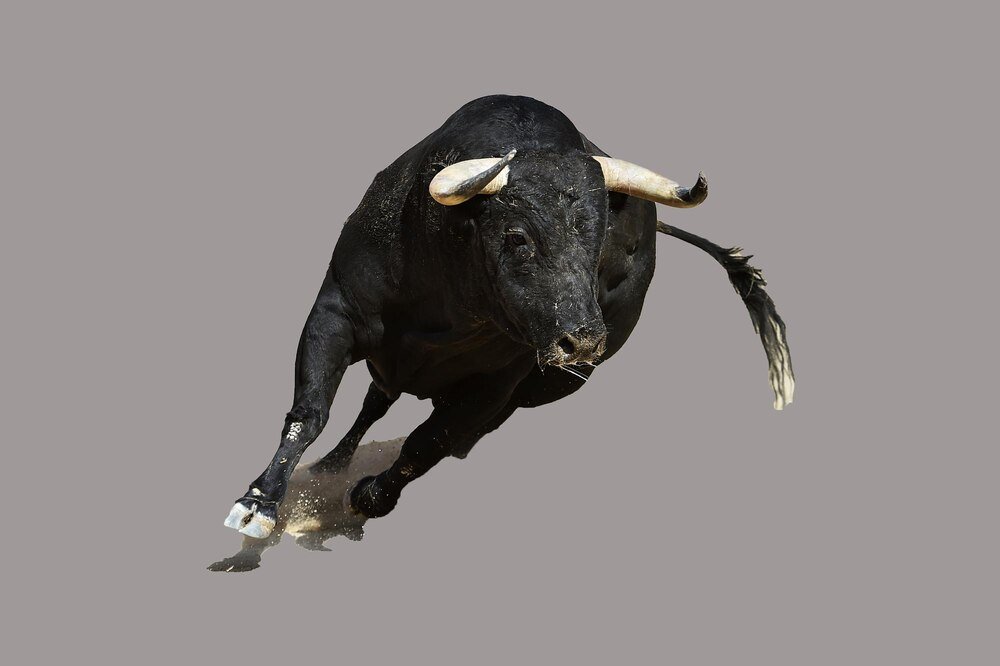
The Running of the Bulls in Pamplona is one of Europe’s most intense and controversial festivals. Part street party, part religious celebration and part bullfighting tradition, it attracts hundreds of thousands of visitors every July. Knowing exactly when the Running of the Bulls 2025 takes place, where to stay, and how to move around the old streets is crucial; showing up unprepared is a recipe for frustration or, worse, real danger.
This guide focuses on practical travel information for 2025, while also giving enough cultural context to help you understand what is happening and why, so you can decide what kind of experience you really want.
Key dates and basic facts for 2025
San Fermín, the festival that includes the famous bull runs, is held every year on the same dates: 6–14 July. The encierro (the bull run itself) happens every morning of the festival.
- Festival dates 2025: 6–14 July 2025
- First bull run: Monday 7 July 2025, 8:00 a.m.
- Last bull run: Monday 14 July 2025, 8:00 a.m.
- Time of the run: every day at 8:00 a.m., lasting around 2–4 minutes
Visitors often search “when is the Running of the Bulls 2025” or “when does the Running of the Bulls take place” and find conflicting info. The key is to separate the whole festival (9 days) from the bull runs (8 mornings).
How long is the Running of the Bulls? The course is approximately 875 meters long, from the corrales (holding pens) at Santo Domingo to the Plaza de Toros. The actual run is fast; the bulls can cover it in just over two minutes, but crowd density, pile‑ups and falls can stretch it to nearly four. For participants, those few minutes are often described as some of the longest of their lives.
History and meaning of the festival
Pamplona’s bull runs, known locally as the encierro, grew out of a practical need: moving bulls from the outskirts into the city’s bullring. Over centuries, young men began running in front of the animals as a test of courage, and by the 19th century this had morphed into the spectacle familiar today.
The encierro is just one part of the Fiesta de San Fermín, a week‑long celebration in honor of Saint Fermín, co‑patron of Navarra. Religious elements (processions, mass, offerings) live side by side with street parties, concerts and bullfighting. Early mornings can feel solemn and tense; by afternoon and night the city turns into a huge open‑air party.
Ernest Hemingway’s novel The Sun Also Rises popularized Pamplona internationally in the 1920s. Since then, “the bull race in Spain” has become shorthand, especially for foreign visitors, for this specific event in Pamplona, even though other Spanish and French towns have smaller runs.
The festival is also part of ongoing debates about spain bull fighting. Some regions have banned or restricted bullfights, leading many to ask: “Do they still have bullfights in Spain?” and “Is bullfighting outlawed in Spain?” Bullfighting is banned in Catalonia and some municipalities, but Navarra and Pamplona still host full bullfights every afternoon of San Fermín, and the morning encierros remain fully legal and widely supported locally. Understanding this helps explain why the festival feels both traditional and controversial at the same time.
Understanding the route: where are the Running of the Bulls in Pamplona?
Visitors often wonder where are the Running of the Bulls and where do you run with the bulls. Everything happens in the historic center of Pamplona, a compact, walkable old town. If you stay anywhere in or near the old quarter, you can reach the route on foot in minutes.
The official running of the bulls street is not a single street but a fixed route with named sections:
- Santo Domingo: uphill start from the corrales; very fast and dangerous, with limited escape options.
- Plaza del Ayuntamiento: short, narrow stretch by City Hall where the run briefly tightens.
- Calle Mercaderes: busy corner leading to the most infamous turn.
- La Curva de Estafeta (Dead Man’s Curve): sharp 90‑degree turn where bulls frequently slip and pile up.
- Calle Estafeta: the longest straight; classic images of runners in white and red come from here.
- Telefónica and Callejón: final funnel into the bullring, extremely packed and risky due to bottlenecks.
The streets are lined with wooden barriers, behind which locals and less adventurous visitors watch. The bulls end in the bullring, where they are kept for the afternoon corrida (bullfight). Knowing these sections in advance helps you choose where to stay, where to watch, and, if you run, where to position yourself.
Watching vs. running: choosing your experience
For most travelers, watching rather than running is the better and safer choice. The atmosphere is intense even if you never set foot on the route. There are three main ways to experience the encierro:
1. From the street barriers
Arrive by around 6:00 a.m., especially from 9–13 July, to claim a spot along the route. Some barriers are reserved for police and medical staff; others are open to the public. Standing here gives a ground‑level perspective and lets you feel the tension in the crowd, but views are brief and often partially blocked as the bulls rush past.
2. From a balcony
Local families and agencies rent out balconies overlooking the route. This is the most comfortable way to see the run, especially on Calle Estafeta and near City Hall. Balcony spots usually come in a package with coffee and an explanation of what is happening. Prices increase sharply closer to 7–8 July and for the most strategic corners, so booking months in advance is wise if this is your priority.
3. Inside the bullring
Entry to the bullring on encierro mornings allows spectators to watch runners and young bulls (vaquillas) after the main run finishes. The big fighting bulls simply enter and are guided to the pens; the action is mostly with smaller animals and the crowd of runners. This option is particularly attractive if you are curious about the atmosphere but not keen on seeing the actual run close‑up on the streets.
Each option offers a different balance of comfort, cost and intensity. Thinking about what you want—action, safety, photography, or family‑friendly viewing—will help you choose.
Running with the bulls: rules, risks and preparation
Participation in the encierro is free and open, which can give a false sense that it is a casual street run. In reality, it is a high‑risk activity that sends dozens to hospital every year and has caused multiple fatalities over time. Pamplona’s authorities enforce a set of rules, and police remove visibly drunk, aggressive or improperly dressed participants from the course before the start.
Basic participation rules include:
- Minimum age: 18 years.
- No alcohol or drugs.
- No filming or taking photos while running.
- No provoking the bulls (touching, taunting, blocking).
- Appropriate footwear and clothing that allows free movement.
Regarding running of the bulls clothing and the classic bull run outfit, locals follow a traditional dress code during the festival:
- Plain white trousers and shirt.
- Red scarf (pañuelo) tied around the neck.
- Red sash (faja) around the waist.
- Comfortable running shoes with good grip; avoid sandals or flip‑flops.
The scarf is traditionally first tied after the opening ceremony (chupinazo) at noon on 6 July and removed at the closing event (Pobre de Mí) on the night of 14 July. Dressing like this is not mandatory, but it helps you blend in and shows respect for local customs.
Anyone seriously considering running should study the route beforehand, decide in advance where to enter and exit, and avoid trying to “run the whole thing”. Experienced runners usually choose a short section (50–100 meters), focus on that, and peel off toward the barriers in time. It is also wise to:
- Arrive to the chosen section early (before 7:15 a.m.) to avoid last‑minute stress.
- Listen carefully to police instructions and the pre‑run announcements.
- Have a clear plan with friends on where to meet afterwards.
If at any point you feel unsure, stepping back and watching is the safest and often the smartest decision. No photo or story is worth serious injury.
Travel planning: getting there, staying and moving around
Pamplona is the capital of Navarra in northern Spain, near the Pyrenees and the French border. For many visitors the Running of the Bulls is part of a broader Spanish itinerary that might include cities where spain bull fighting is also present, such as Madrid or Seville.
Getting to Pamplona
The city has a small airport with limited connections; most international travelers arrive via:
- Madrid: AVE/Alvia trains connect in roughly 3–4 hours.
- Barcelona: similar timing by train, with several daily services.
- San Sebastián / Bilbao: regional buses and trains, popular for combining beach time with the festival.
In 2025, train and long‑distance bus tickets for 6–8 July are likely to sell out quickly. Booking as soon as reservations open can save both money and stress.
Accommodation
During the 2025 Running of the Bulls, hotel prices in the old town and near the running of the bulls street increase dramatically and sell out months ahead. Strategies that help:
- Booking 6–9 months in advance for central hotels or apartments.
- Considering nearby towns such as Burlada, Villava or Ansoáin, connected by local buses and taxis.
- Checking university residences and hostels, which occasionally open during summer.
If you are sensitive to noise, avoid streets directly on the route or main squares; parties can continue until dawn. Asking your accommodation about room orientation and bringing earplugs can make the difference between sleeping and not sleeping at all.
Getting around
Pamplona’s center is compact. During San Fermín, many streets are pedestrianized. Most festival events are reachable on foot. Public buses operate with special schedules, but crowds and street closures often make walking the fastest option. Taxis are available but can be hard to find at peak times; plan extra time if you need to reach the station or airport during busy hours.
Beyond the encierro: bullfights, culture and ethical debates
Every afternoon from 6–14 July, bullfights take place in the Plaza de Toros. Visitors who have searched “do they still have bullfights in Spain” or “is bullfighting outlawed in Spain” are sometimes surprised to find the Pamplona arena full and buzzing. Tickets range from shady seats with better visibility to sun‑exposed areas filled with singing, food and wine, where attention to the actual bullfight can be quite loose.
Pamplona during San Fermín also offers much that has nothing to do with bulls:
- Religious processions honoring San Fermín.
- Traditional Basque and Navarran music and dance.
- Street concerts, fireworks and fairgrounds.
- Family events such as giants and big‑headed figures (gigantes y cabezudos).
You can spend entire days enjoying music, food and children’s activities without ever attending a bullfight or the encierro. For families or travelers uneasy about animal suffering, focusing on these events is a meaningful alternative.
At the same time, there is a strong presence of animal‑rights groups and locals who oppose bullfighting. Demonstrations and symbolic “bloodless” protests usually take place just before the festival. Understanding this tension helps interpret the mixed emotions many Pamplonans feel: pride in their festival, discomfort with international party tourism, and growing debate over the future of bull‑related events. As a visitor, being aware of this context and behaving respectfully—whatever your personal views—goes a long way.
Practical tips and final advice for 2025
For travelers planning to attend the Running of the Bulls celebration in 2025, several practical points make the experience smoother:
- Book early: accommodation, balcony spots and train tickets are snapped up months ahead, especially for 6–8 July.
- Sleep strategically: the city parties all night; ask accommodation about noise levels and bring earplugs.
- Protect valuables: crowds, alcohol and pickpockets are a predictable mix; use money belts or secure pockets.
- Hydrate and eat: long hours on the streets, often in the sun, plus drinking, can quickly lead to exhaustion.
- Respect local customs: the red and white clothing, the songs before the run, and the religious side of the festival matter deeply to locals.
2025 will be busy. Interest in the festival has been building again, and the “when is running of the bulls Spain” and “2025 Running of the Bulls” searches already indicate strong demand. With careful planning, clear decisions about whether to watch or run, and a bit of cultural understanding, the experience can be intense, memorable and, crucially, as safe as such an inherently risky event allows.