
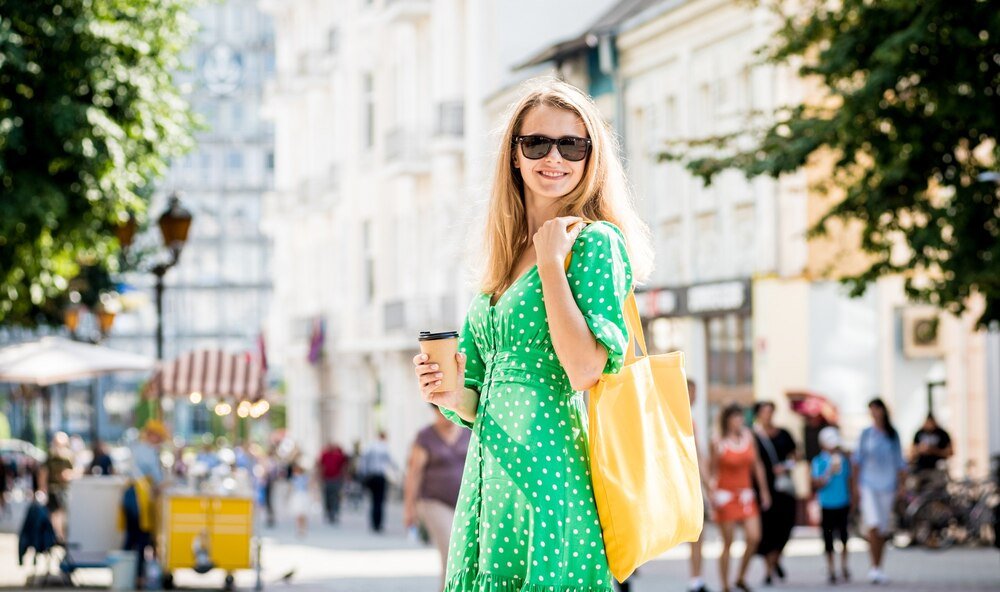
Shopping in Berlin – where to start
Berlin is not just clubs, street art and history tours. It is also one of the most relaxed cities in Europe for shopping. Big malls, tiny design studios, street markets and giant outlet villages all sit side by side. The city feels casual, but there is a lot to discover once there is a bit of time to wander and look beyond the main tourist streets.
Many visitors arrive wondering what to buy in Berlin or searching for popular souvenirs from Germany. The good news: there is something for almost every taste and budget, from classic food and drink to quirky design, second‑hand treasures and outlet bargains. Berlin’s shopping hours are generous by German standards, and most central districts are easy to reach by U‑Bahn or S‑Bahn, so it is simple to fit a few purchases between museum visits or a café break.
Before heading out: if jet‑lagged and curious about what is the time now in Berlin, just remember Berlin runs on Central European Time (CET) and Central European Summer Time (CEST), usually 1 hour ahead of London and 6 hours ahead of New York. This helps when checking opening hours or planning a last‑minute dash to the shops before closing.
Classic Berlin souvenirs and gifts from Germany
Food and drink to take home
Food is often the easiest and most appreciated answer to the question “what to buy in Germany?” Berlin’s supermarkets, weekly markets and specialty shops are full of things that pack well, travel easily and give friends at home a real taste of the trip.
Easy food souvenirs:
- German chocolate – Ritter Sport, Milka and Lindt are everywhere and cheaper than in many other countries. For something special, try smaller brands or local chocolatiers around Hackescher Markt or Prenzlauer Berg, where you can often watch chocolates being made and choose individual pralines.
- Lebkuchen and biscuits – especially around Christmas, but some shops sell them all year. These spiced gingerbread hearts and cookies make classic gifts from Germany and are usually sold in decorative tins that protect them in a suitcase.
- Mustard (Senf) – from sweet Bavarian style to sharp Düsseldorf blends. Look for glass jars instead of tubes if gifting, and check out small mustard shops or market stalls where you can taste different flavors before buying.
- Currywurst sauce and spices – perfect for anyone who fell in love with Berlin’s most famous street snack and wants to recreate it at home. Ready‑made sauces, spice mixes and even currywurst “kits” are easy to find in supermarkets and souvenir shops.
Drinks worth packing:
- German beer – supermarkets like REWE or EDEKA carry a wide range of regional beers. Some bottles require a deposit (Pfand), but that matters only if they are brought back in Germany. Craft‑beer bars and bottle shops, especially in Kreuzberg and Neukölln, also sell small‑batch local brews to take away.
- Spirits – Berlin‑made gin, herbal liqueurs and locally produced schnapps are easy to find in larger liquor stores or in concept stores focused on local brands. Look out for small distilleries that highlight Berlin neighborhoods or landmarks on their labels.
- Wine – Germany produces excellent Riesling and Spätburgunder (Pinot Noir). Larger supermarkets and specialist wine shops stock good bottles in almost every price range, from everyday table wine to bottles suitable for a special celebration.
Always check airline rules for liquids and customs regulations at home, especially for alcohol and food products. Packing bottles in checked luggage with plenty of padding keeps both your souvenirs and your clothes safe.
Everyday brands and design objects
Some of the most popular things to buy in Germany are simple, well‑designed everyday products that people actually use at home.
- Stationery and notebooks – German notebooks, pens and planners are known for thick paper and practical design. Look for brands like Leuchtturm1917 in bookstores and design shops, or browse larger department stores for colorful school supplies and office accessories.
- Kitchen and household goods – sturdy peelers, knives, enamel mugs and storage jars make practical souvenirs that last. Many German brands focus on minimal design and durability, so these items often become everyday favorites rather than just decoration.
- Beauty and pharmacy products – drugstores like dm and Rossmann are treasure troves of affordable skincare, baby products and herbal remedies. Many visitors stock up on sunscreen, hand creams and bath salts, but it is also worth exploring local natural‑cosmetics brands and travel‑sized products that are easy to pack.
These items fit easily in a suitcase and feel less “touristy” than traditional souvenirs, while still being very much part of everyday shopping in Germany. They are ideal for travelers who prefer useful mementos that quietly remind them of Berlin every time they write a note or make coffee.
Specifically Berlin: what to buy in Berlin itself
Berliner originals and design
For anyone more interested in what to buy in Berlin than in Germany in general, the city has its own icons and quirks that you rarely see elsewhere.
- Ampelmann products – the little man on Berlin’s pedestrian traffic lights has become a cult symbol. Dedicated Ampelmann stores sell mugs, T‑shirts, keyrings, bags and even pasta shapes based on his silhouette. They are playful, instantly recognizable and make light‑hearted souvenirs for all ages.
- Berlin bear souvenirs – the bear appears on the city coat of arms and on everything from fridge magnets to tote bags. You will also spot life‑sized painted bear statues across town, which can inspire a themed gift hunt.
- Street art prints – Berlin’s graffiti and murals are world‑famous. Many local artists sell prints, postcards and posters in small galleries, at markets or in dedicated street‑art shops around Friedrichshain and Kreuzberg. Choosing a print of a favorite mural is a simple way to bring a piece of Berlin’s walls home, without peeling off any paint.
- Upcycled fashion and accessories – bags made from old truck tarpaulins, belts from bicycle tires, or jewellery from reclaimed materials reflect both creativity and the local eco‑friendly mindset. Small ateliers and weekend markets are ideal for finding one‑of‑a‑kind pieces and talking directly to the makers.
These pieces tell a small story about culture in Berlin, Germany – relaxed, creative and often a little unconventional. They suit travelers who want souvenirs with a personal or local touch rather than generic “I love Berlin” T‑shirts.
Berlin Wall and history‑themed items
Berlin has a complicated past, and a lot of souvenirs relate to it. Some are meaningful; others are more kitsch, so it helps to choose carefully and think about what you want the item to remind you of.
- Books and photo collections on the city’s history, sold at museums like the DDR Museum or the Topography of Terror. These often combine historical explanations with strong images, making them accessible even if you do not read every page.
- Postcards and posters with historic photos of Checkpoint Charlie, the Brandenburg Gate and other Berlin highlights. Sets of black‑and‑white photos or “then and now” comparisons work well as small, educational gifts.
- Mini Trabant models – the tiny East German car that has become a symbol of the former DDR. Model cars, keychains and even puzzle kits are widely available around major sights and in museum shops.
Pieces of “Berlin Wall” are sold almost everywhere. Many are just concrete souvenirs, not actual wall sections. They can still be fun, but the more meaningful experience comes from visiting real sites like the East Side Gallery or Bernauer Straße Memorial and then choosing a thoughtful memento in their museum shops, where explanations and photos give context to what you are buying.
Berlin has more museums than rainy days per year. Museum shops are often great places to find unusual, well‑designed gifts, even without visiting the exhibition itself.
Best areas for shopping in Berlin
The city is big, but most shopping zones cluster along a few main streets or around central squares. Many of these are also popular areas of Berlin to stay, so shopping often fits naturally into sightseeing without needing to plan separate “shopping days”.
Kurfürstendamm and Charlottenburg
Kurfürstendamm (often called Ku’damm) is Berlin’s classic shopping boulevard in the former West. It stretches from Breitscheidplatz past luxury boutiques, international chains and elegant side streets, and feels especially lively in the afternoon and early evening.
- KaDeWe – the famous department store near Wittenbergplatz. The food hall on the upper floors is perfect for high‑quality gifts from Germany, from chocolates and coffee to gourmet sauces and regional delicacies. There is also a wide range of cosmetics, fashion and homeware under one roof, ideal if time is short.
- Boutiques and shoe shops – side streets near Ku’damm hide smaller designers, high‑quality shoes and leather goods. It is worth leaving the main boulevard and exploring one or two parallel streets to find less crowded shops.
Nearby Charlottenburg is full of hotels, cafés and residential streets. Places like Charlottenburger Hof Berlin are typical of this area: close to shops and restaurants, calmer at night than the clubbing districts further east, and well connected by public transport to both the center and the trade‑fair grounds.
Mitte, Gendarmenmarkt and around
Central Berlin (Mitte) mixes history, galleries and shopping. Between Friedrichstraße, Hackescher Markt and Alexanderplatz, there are many options, from big brands to tiny studios.
- Friedrichstraße – a long shopping street with Galeries Lafayette, bookshops, fashion brands and design stores. It is also close to major sights like Checkpoint Charlie, which makes it easy to combine errands and sightseeing.
- Hackescher Markt – small courtyards full of boutiques, jewellery studios and street‑style fashion. The narrow passages and hidden backyards offer a different atmosphere from large malls and reward slow wandering.
- Gendarmenmarkt area – elegant streets with high‑end shops and quieter hotels, such as around the Garner Hotel Berlin Gendarmenmarkt. In the evening, the square itself is beautifully lit, and seasonal markets or events often take place here.
This part of town is walkable, central and combines easily with visits to Museum Island or the Brandenburg Gate, making it ideal for short stays where time and convenience matter.
Kreuzberg, Neukölln and Friedrichshain
For a more alternative flavor of shopping in Berlin, head south and east. These neighborhoods attract many locals, students and creatives, so the shopping streets feel more everyday than touristy.
- Kreuzberg – Oranienstraße and Bergmannstraße are packed with independent clothing stores, vinyl record shops, bookstores and gift shops. Bars and street‑food spots sit side by side with small boutiques, so it is easy to turn browsing into a relaxed afternoon.
- Neukölln – around Weserstraße and Karl‑Marx‑Straße there is a mix of vintage clothing, small designer labels and eclectic cafés. Pop‑up stores and temporary art spaces appear regularly, making each visit slightly different.
- Friedrichshain – Boxhagener Platz and the streets near Warschauer Straße blend second‑hand stores, streetwear shops and weekend markets. This area is particularly good for those who like casual fashion, records and unique home decor.
These districts also showcase everyday culture in Berlin, Germany – multicultural, lively and full of people sitting outside with a coffee at almost any time of day. Shopping here feels like slipping into local life for a while rather than just ticking off another attraction.
Markets, outlets and bargain hunting
Flea markets and vintage finds
Berlin’s flea markets are a goldmine for those who like the hunt more than polished shopping malls. They are ideal for finding one‑off objects, vintage clothes, vinyl records and unexpected curiosities.
Popular spots include:
- Mauerpark (Prenzlauer Berg) – big, busy and full of everything from vintage clothing to handmade crafts. Best on Sundays, when street food, live music and the park’s famous karaoke sessions create a festival‑like atmosphere.
- Boxhagener Platz market (Friedrichshain) – smaller but charming, with records, books and antiques. The surrounding cafés and bars make it easy to take a break and watch the neighborhood go by.
- Various neighborhood markets along the Yorckstraße area – these often target locals and can be great for bargains and everyday household items, old furniture or tools.
Here, haggling is sometimes accepted but usually polite and low‑key. Prices are often flexible, especially toward the end of the day, but aggressive bargaining is frowned upon. Cash is still very useful at markets, even though card payments are spreading, so it is worth withdrawing some euros beforehand.
Outlet centers and discount shopping
For those interested more in prices than in souvenirs, Berlin has several outlet options that focus on fashion and sportswear.
- Designer Outlet Berlin – a large village‑style outlet outside the city, reached by shuttle bus or car. International brands, sportswear and homeware come with significant discounts, especially during special promotion days and seasonal sales.
- Smaller city outlets – scattered throughout Berlin, often for sports brands or shoes. These places usually advertise “Outlet” or “Factory Store” on the front and can be worth a visit if you already like a specific brand.
Regular shopping streets also have seasonal sales, usually in winter and summer. Shop windows with “Reduziert” or “Sale” are worth a quick look for spontaneous finds, particularly on classic streets like Kurfürstendamm or in large department stores.
Practical tips for stress‑free shopping in Berlin
Opening hours, payment and tax‑free
Compared to many other parts of Germany, Berlin is flexible, but there are still a few basics to know so shopping stays relaxed rather than rushed.
- Opening hours – most shops open around 10:00 and close between 19:00 and 20:00. Shopping malls and big chains tend to stay open later. Sundays are quiet: most shops are closed except for a few “open Sundays” each year and stores in major train stations, where you can still buy snacks, books and some travel essentials.
- Payment – card payments (including contactless) are widely accepted in larger shops and supermarkets. Smaller boutiques and markets may still prefer cash, so carrying a bit of euro cash is smart. ATMs are easy to find near main stations and busy shopping streets.
- Tax‑free shopping – non‑EU visitors who spend above a certain amount in one shop can claim a VAT refund at the airport. Look for “Tax Free Shopping” signs and ask staff for the necessary paperwork at the time of purchase. Keep receipts and forms together so the process at the airport is quick.
Staying near shops and sights
Hotels in central areas often put visitors close to both attractions and stores. Choosing the right neighborhood can save time and make it easier to drop shopping bags at the hotel before continuing to explore.
- Near Kurfürstendamm – plenty of mid‑range and classic hotels, walking distance to KaDeWe and big brands. This area suits travelers who want traditional city‑center shopping streets and good transport links.
- Gendarmenmarkt / Mitte – elegant stays, such as the Garner Hotel Berlin Gendarmenmarkt, near designers, bookstores and galleries. It works well for short cultural trips that combine museums, concerts and a bit of refined shopping.
- Friedrichshain and Kreuzberg – smaller, creative hotels and hostels surrounded by alternative shops and markets. These neighborhoods are ideal if nightlife, street food and independent boutiques are high on the list.
- Charlottenburg – places like Charlottenburger Hof Berlin sit near shops and restaurants, with easy access to both the center and the trade fair grounds. This mix appeals to visitors who combine leisure with business or fairs.
Some visitors also choose themed hotels, such as the ABBA Berlin Hotel Berlin Germany, especially if they like a mix of playful design and solid comfort close to shopping streets. Wherever you stay, Berlin’s public transport network makes it straightforward to explore several shopping districts in one trip.
Summary: turning shopping into part of the Berlin experience
Shopping in Berlin fits naturally into a city break, rather than feeling like a separate mission. Food and drink offer simple, tasty gifts from Germany, from chocolate and mustard to local gin and wine, while everyday items like notebooks, kitchen tools and skincare products provide practical souvenirs that last well beyond the trip.
Specifically Berlin‑themed pieces – Ampelmann items, street art prints, upcycled fashion or design objects – bring home a bit of the city’s creative spirit. Different districts highlight different sides of Berlin life: classic Kurfürstendamm, central Mitte, relaxed Charlottenburg or lively Kreuzberg and Neukölln, each with its own rhythm and style of shopping.
Whether the plan is to browse flea markets on a lazy Sunday, hunt for deals in outlet villages or pick up refined treats in department‑store food halls, Berlin has options for almost every style of traveller. The city’s laid‑back rhythm makes it easy to mix sightseeing, café breaks and shopping into one relaxed, memorable stay, and to return home with souvenirs that feel personal, useful and closely tied to the places you visited.