
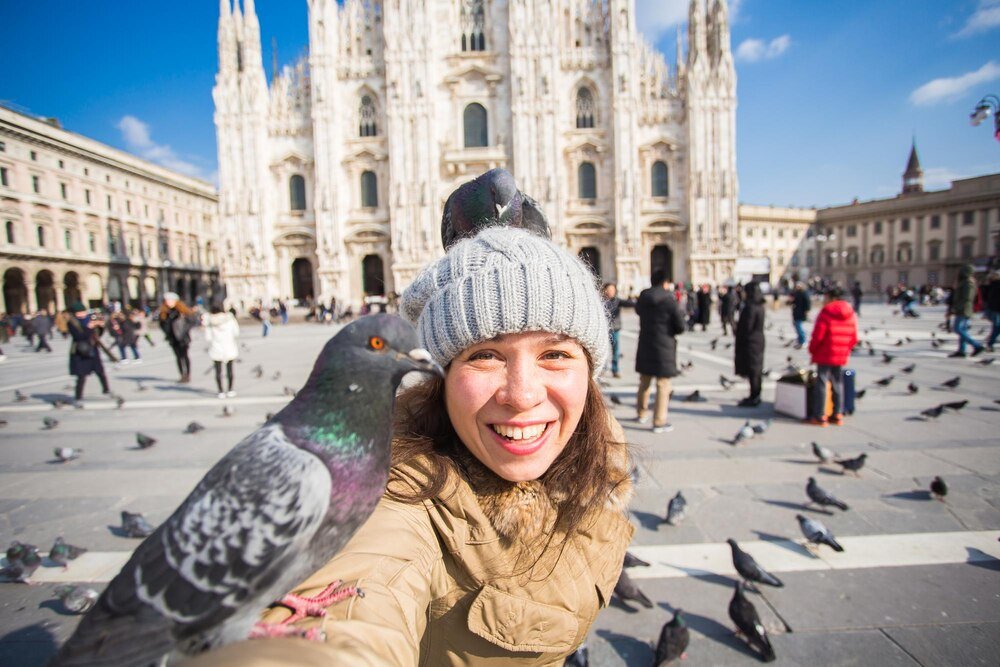
Milan can feel overwhelming at first glance: too many museums, churches, fashion streets, and zero idea where to start. The good news is that the city is compact, walkable in its core, and easy to structure around a few smart “zones”. With a bit of planning, it’s possible to see the icons, eat properly, and still find time to sit at a bar with a Negroni and people‑watch. Here’s a clear, no‑nonsense guide to things to do in Milan that actually fit into real days and real trips.
Start with the classic center: Duomo, Galleria, La Scala
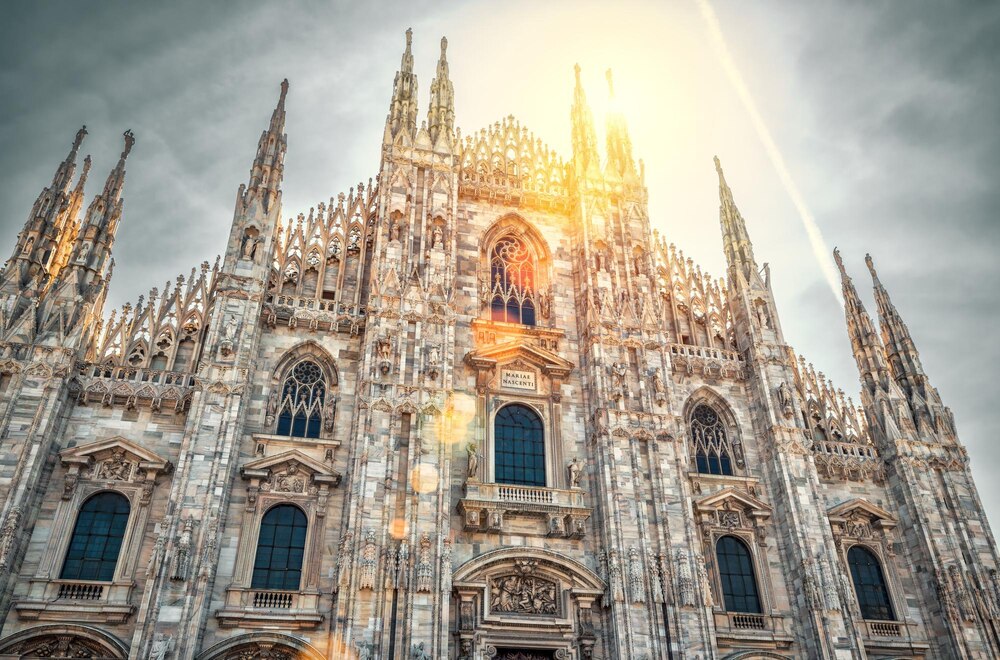
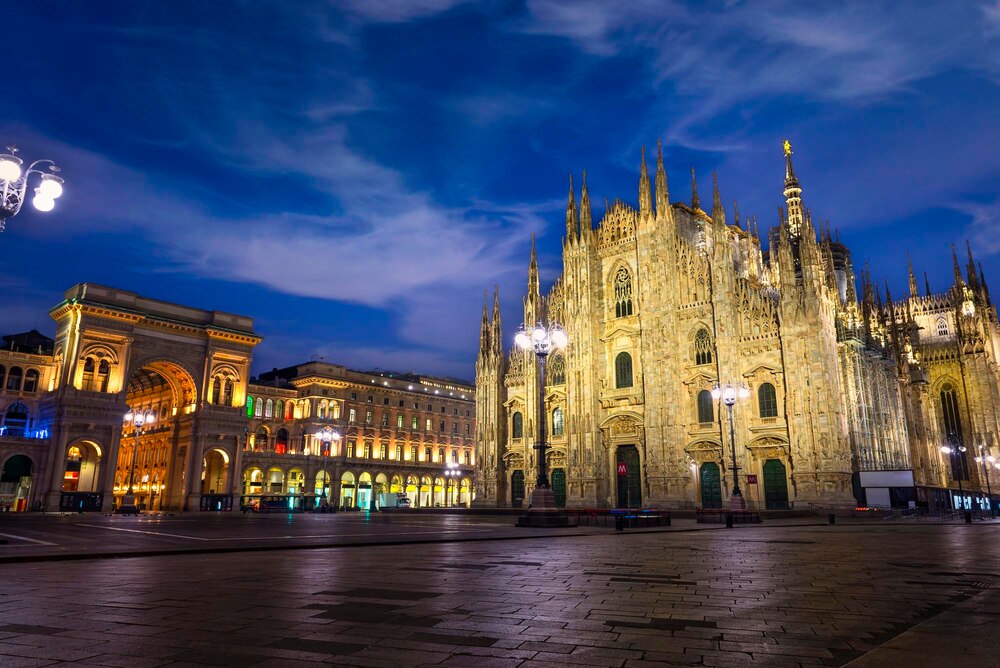
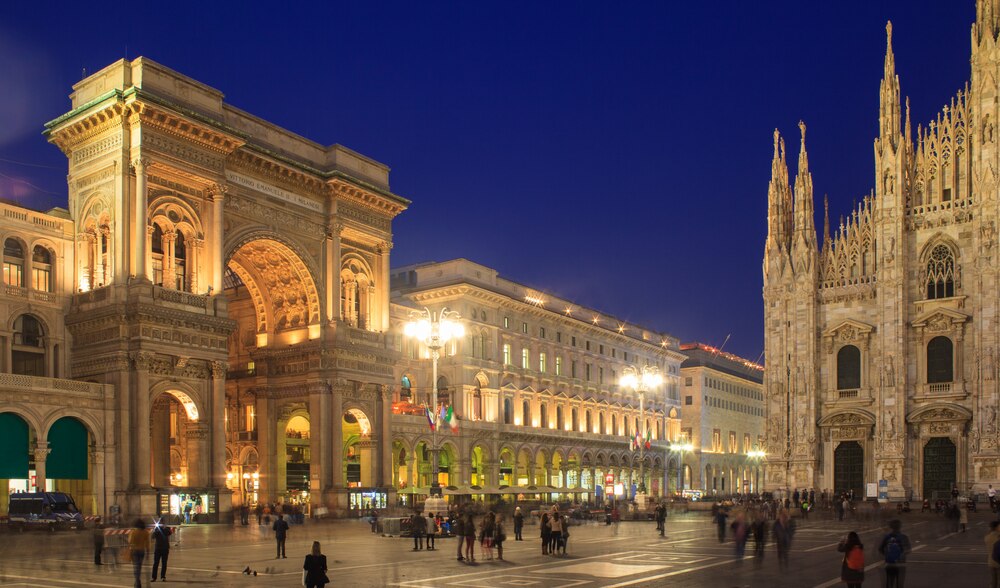
The logical first stop is the heart of the city: Piazza del Duomo. The cathedral is more impressive from the outside than in photos: those thousands of spires and statues are best appreciated up close. Go early in the morning or late afternoon to avoid the worst queues and the harsh midday light.
The rooftop is worth the ticket. Walking among the spires gives a sense of how much work went into the building, and on a clear day the view stretches to the Alps. Booking tickets online for a time slot cuts down the waiting. The interior is dark, atmospheric, and usually crowded; a short loop is enough unless very into religious art.
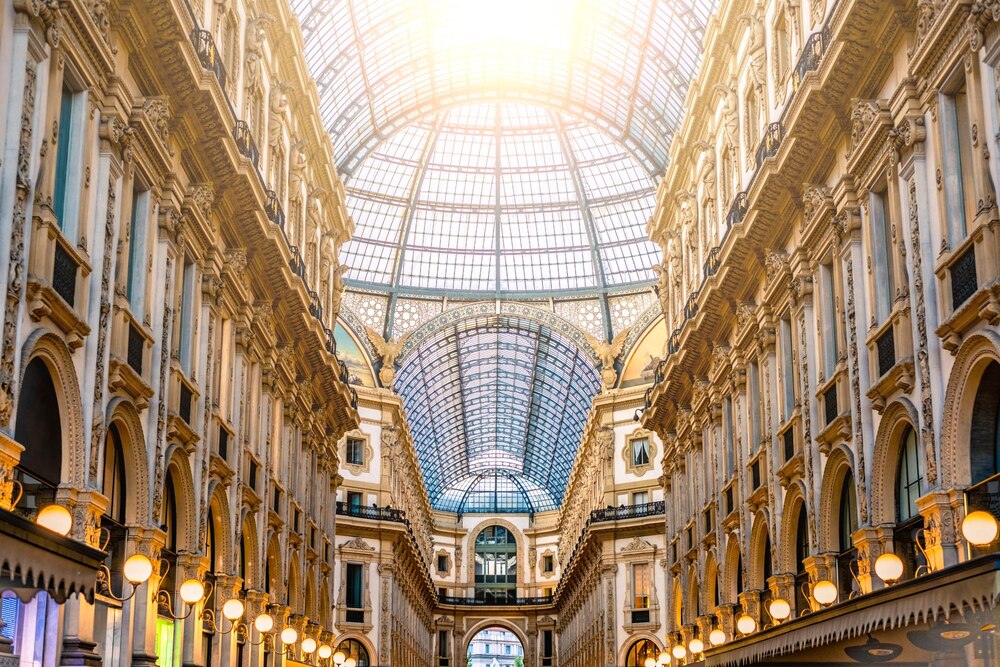
Step straight from the piazza into the Galleria Vittorio Emanuele II. Yes, it’s touristy. Yes, it’s still stunning. The glass dome, mosaic floor, and old‑school cafés are part of Milan’s image for a reason. Cross the Galleria slowly, look up, and then look at the prices just for fun. A coffee here is overpriced, but some people like paying for the setting once in their life.
On the other side of the Galleria sits Teatro alla Scala. If there’s no interest in opera, at least walk by and feel the contrast: from luxury arcade to rather plain theater facade. The interior and the attached museum are more interesting than the outside suggests. For opera or ballet, tickets sell out fast; standby/cancelled tickets sometimes appear on the official site, so it’s worth checking if dates are flexible.
Milan’s Duomo took nearly six centuries to complete, which explains why its style jumps between Gothic and later influences all over the facade.
Art and design highlights: from Leonardo to modern Milan
Seeing “The Last Supper” without wasting half a day
Everyone has heard about Leonardo da Vinci’s “Last Supper”, but the logistics scare people off. The mural is in the refectory of Santa Maria delle Grazie, not in a big museum. Access is by timed ticket only, with a short viewing window of around 15 minutes. It sounds stressful; in reality, it’s manageable with planning.
The best move is to book directly on the official site as soon as dates are fixed. Those tickets are cheaper and avoid pushy upsells. When those are gone, reliable guided tours are the backup. They usually include the church, the refectory, and sometimes a short city walk. Guided slots can feel rushed, but they still beat lining the pockets of resellers charging double for the same time slot.
Inside, the experience is calmer than expected. Visitor numbers per group are strictly limited, and the staff manages the transition between air‑locks to protect the painting. The faded, fragile look of the mural surprises many people used to bright reproductions. Use the time to walk around the room and also look at the lesser‑known “Crucifixion” on the opposite wall.
Since the visit is short, pair it with a walk in the neighborhood. The cloisters of Santa Maria delle Grazie are peaceful, and the nearby Corso Magenta is good for a coffee stop. This area, while central, feels more local than the Duomo square and is a gentle way to reset after the crowds.
Brera, Pinacoteca and design corners
Brera is the art district that actually lives up to the label. Cobblestone streets, galleries, design shops, and the Pinacoteca di Brera give it a village feel inside the city. The Pinacoteca is a focused, high‑quality collection: Caravaggio, Mantegna, Raphael, Hayez. It’s less exhausting than giant museums and can comfortably be done in two hours.
Plan Brera for a late morning or late afternoon session. Before or after the museum, walk the side streets like Via Fiori Chiari and Via Madonnina. They’re lined with boutiques, artisan shops, and simple restaurants. Even window shopping here is pleasant, and it’s usually less hectic than the fashion district around Via Montenapoleone.
For design lovers, Brera becomes a playground during Milano Design Week in April, when showrooms open up and installations pop up in courtyards. Outside of that week, many permanent showrooms still welcome walk‑ins, from lighting brands to furniture and interiors. It’s perfectly acceptable to look even if there’s zero intent to buy anything.
For a quieter break, the Botanical Garden of Brera hides behind the academy buildings. It’s small, free, and feels like a secret spot compared to the crowded main streets. A short sit on a bench here balances out the sensory overload of the rest of the district.
Neighborhoods to walk: Navigli, Porta Nuova, Isola
Navigli evenings done right
The Navigli area, with its canals and bars, is usually on every “things to do in Milan” list. It’s lively, sometimes chaotic, and often overhyped, but it can still be enjoyable if approached the right way. The main canals are Naviglio Grande and Naviglio Pavese, meeting at the Darsena basin.
Arrive just before sunset. Start from the Darsena, walk along Naviglio Grande, and keep going until the crowds thin out a little. The further from the central section, the more local the vibe. Along the way there are second‑hand book stalls, vintage shops, and small galleries mixed with the usual bars and restaurants.
Aperitivo here can be hit‑or‑miss. The huge buffet places often focus on quantity over quality. A better option is a bar with well‑made cocktails and smaller, fresher snacks. Ordering a drink automatically includes those snacks in many places; no need for a separate food order unless really hungry. For a proper dinner, it’s often better to pick a dedicated restaurant, not a bar trying to do both.
Canal boat tours exist and look tempting, but the experience isn’t life‑changing. A simple walk with a drink and a plate of olives works better than being stuck on a slow boat, especially on a short trip.
Food and aperitivo: what to eat in Milan
Milan’s food scene mixes traditional Lombard dishes with modern, global options. For local flavors, look for risotto alla milanese (saffron risotto), cotoletta alla milanese (breaded veal or sometimes pork cutlet), and in colder months, ossobuco and stews. Many trattorias around Porta Romana, Brera, and the side streets behind the Duomo serve these without tourist trap prices.
Lunch is often lighter: panini, focaccia, or a quick pasta. Bakeries and “panetterie” are underrated; grabbing a slice of focaccia and eating on a bench is completely normal. For coffee, stand at the bar instead of sitting; it’s cheaper and faster, and that’s how most locals do it. A plain espresso or macchiato rarely disappoints.
Milan takes aperitivo seriously. Late afternoon to early evening, bars serve drinks with snacks included. In good places, that means a well‑made cocktail plus small plates of cheeses, salumi, and simple bites. In others, it turns into a chaotic buffet. As a rule of thumb, quality cocktail bars often serve better aperitivo food than huge all‑you‑can‑eat spots.
- Order a Negroni or a Spritz for a classic start.
- Look for places with table service and a smaller spread of fresh food.
- Avoid spots where trays sit untouched for too long.
- Remember this is pre‑dinner, not the main meal, unless on a budget.
For dessert, gelato obviously appears on every corner. Seek out places with stainless steel tubs often covered with lids, simpler flavor lists, and no neon‑bright mountains of ice cream. That’s usually a sign of better quality and fewer artificial flavors.
Shopping: fashion streets, outlets, and realistic options
Milan’s reputation as a fashion capital is deserved, but that doesn’t mean everyone has to drop thousands on a handbag. The classic luxury zone is the Quadrilatero della Moda: Via Montenapoleone, Via della Spiga, Via Manzoni, and Corso Venezia. Even just walking these streets offers top‑tier window shopping. The displays can be more interesting than many museum exhibits.
For more accessible fashion, Corso Buenos Aires runs for over a kilometer with mid‑range brands. It’s busy, not particularly pretty, but highly practical if the goal is actual buying instead of dreaming. Between the center and Porta Garibaldi, streets like Corso Como and its surroundings mix international brands with concept stores.
Those who really want discounts gravitate towards outlets. The main luxury outlet villages sit outside the city (Serravalle, Fidenza, etc.), reached by bus or train+shuttle. They can eat up almost a whole day, which only makes sense for serious shoppers. For shorter stays, smaller in‑city outlet stores and department store sales are usually enough.
Don’t forget design and stationery shops. Milan does paper goods, notebooks, pens, and minimal homeware extremely well. Stores around Brera and the center often stock items that are easy to pack and actually useful once back home.
Practical tips: getting around, timing, and avoiding headaches
The city center is compact enough to walk, but the public transport network makes longer trips straightforward. The metro is clean, frequent, and simple, with just a handful of lines. For a short stay, a 24‑ or 72‑hour ticket usually works better than single rides. Trams are slower but scenic, especially the older wooden ones.
Best time of year matters a lot. Spring (April–May) and early autumn (late September–October) are the sweet spots: comfortable temperatures and plenty of outdoor life. August is hot, humid, and many smaller businesses close for holidays. Winter can be cold and foggy, with short days, but museums and indoor attractions stay pleasant.
- Book Duomo rooftop and Last Supper tickets in advance.
- Use contactless cards or phone payments where possible; Milan is very card‑friendly.
- Stay near a metro line rather than fixating on being right next to the Duomo.
- Watch for pickpockets in crowded tourist areas and on busy trams.
For a first visit, 2–3 full days allow for the main sights plus some wandering. One day can focus on the Duomo, Galleria, and Brera; another on Last Supper, Porta Nuova/Isola, and Navigli in the evening. Extra days can be used for side trips to Lake Como or Bergamo, both very reachable by train.
Milan works best when treated not just as a “checklist of monuments” but as a city to walk, sit, and watch. A single relaxed aperitivo on a side street often stays in the memory longer than another rushed landmark.
With a rough structure like this, Milan stops feeling chaotic and starts to look like a city of distinct pockets: historic center, art zones, nightlife canals, and modern skyscrapers. Once broken down into those pieces, planning what to do becomes much simpler and a lot more enjoyable.